.png)
How to Declutter Your Home Before Selling: Practical Steps to Create a Clean, Inviting Space

Clutter makes rooms feel smaller. It also makes buyers work harder to picture their own life in the home. A clean, open space helps them focus on the layout, light, storage, and condition.
Decluttering before a sale does not mean emptying the house overnight. Start with a plan. Work in small zones. Make clear choices. The goal is simple: show the home at its best.

Start with the rooms buyers notice first
Begin where first impressions happen. Focus on the entry, living room, kitchen, bathrooms, and primary bedroom. These areas shape how buyers feel during a showing.
Do not start in the garage or attic unless those spaces are blocking your ability to store packed items. Hidden storage matters, but main living areas matter more.
Use this order if the house feels overwhelming:
Entryway
Living room
Kitchen counters and cabinets
Bathrooms
Bedrooms
Closets
Laundry room
Garage, basement, or attic
Set a timer for 30 to 60 minutes. Pick one surface, one drawer, or one closet. Finish that area before moving on. Half-finished piles create more stress.
Keep basic supplies nearby:
Trash bags
Donation boxes
Packing boxes
Painter’s tape and labels
Cleaning wipes
A marker
A laundry basket for items that belong elsewhere
Use the laundry basket as a quick reset tool. If an item does not belong in the room, place it in the basket. At the end of the session, return those items to their proper places.
Sort every item into simple categories
Decision fatigue slows people down. Avoid handling the same item three times. Sort each item into one of four groups.
Keep
Keep items used often, needed before the move, or worth moving to the next home. This includes daily cookware, clothing in current rotation, important documents, and basic toiletries.
Pack
Pack items that are useful but not needed right now. Think seasonal decor, extra dishes, books, keepsakes, hobby supplies, and out-of-season clothing. Label every box by room and contents.
Donate or sell
Donate items in good condition that no longer fit your life. This may include extra furniture, small appliances, clothing, toys, books, and home decor. If you plan to sell items, set a firm deadline. If they do not sell by then, donate them.
Discard
Throw away broken, expired, stained, or unusable items. This includes old cosmetics, chipped dishes, worn towels, damaged cords, and food past its date. Do not spend time storing trash.

A good rule is to ask direct questions:
Have I used this in the past year?
Would I pay to move this?
Does this help the home look better during showings?
Is this item in good condition?
Do I have duplicates?
Be honest. Extra items cost time, space, and energy. Buyers do not need to see every mug, blanket, or collectible you own.
Clear surfaces and create breathing room
Buyers read clutter as lack of storage. Even if the home has great closets and cabinets, packed shelves can send the wrong message.
Start with flat surfaces. Clear kitchen counters, bathroom vanities, nightstands, dressers, coffee tables, and entry tables. Leave only a few useful or attractive items.
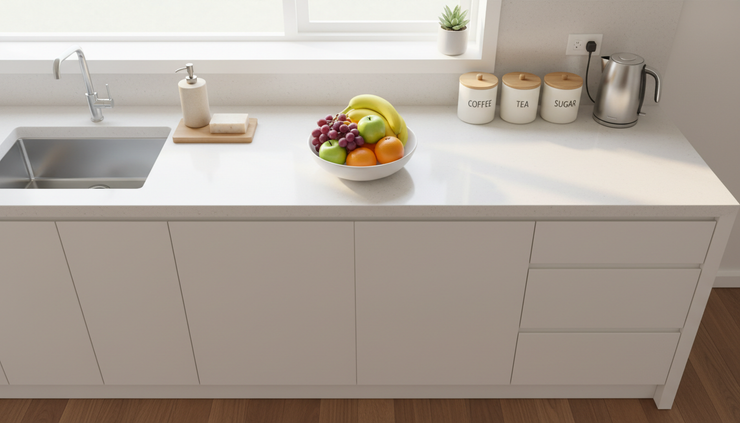
In the kitchen, keep counters simple:
Coffee maker
One bowl of fruit
Soap by the sink
One small plant or neutral decor item
Put away small appliances you do not use daily. A toaster, blender, air fryer, stand mixer, and knife block can make a large kitchen feel crowded.
In bathrooms, remove personal products from view. Store toothbrushes, razors, medications, cosmetics, and extra bottles in bins or drawers. Keep out clean hand soap and a fresh towel.
In bedrooms, reduce visible items. Clear the floor. Remove extra chairs that collect clothes. Keep nightstands simple with a lamp, a book, or a small tray.
Closets also need attention. A closet should not look stuffed. Remove off-season items and extras. Aim for visible floor space and some breathing room between hangers.

Use storage that makes the home look larger
Storage solutions should reduce visual clutter, not create new piles. Choose simple containers that fit the space.
Use clear bins for items in closets, pantries, and utility rooms. Buyers can see that the area is organized. Use matching baskets in open shelves, mudrooms, and bathrooms. Keep labels small and neat.
Good storage tools include:
Under-bed bins for seasonal clothing or linens
Drawer dividers for utensils, socks, and toiletries
Stackable pantry containers for dry goods
Over-the-door organizers for cleaning supplies or shoes
Lidded baskets for toys, blankets, and pet items
Vacuum storage bags for bulky bedding or coats
Avoid cramming everything into closets before a showing. Buyers open closets, cabinets, and pantry doors. If storage areas are packed, the home can feel short on space.
For larger items, consider short-term storage. This can help with extra furniture, packed boxes, sports gear, and seasonal equipment. Use it for items you plan to move, not for things you should donate or discard.
Aim for the best version of real life. The home should feel warm, not empty. Keep enough furniture to show how each room works. Remove pieces that block walkways, windows, or natural light.
Make the home feel clean and inviting
Decluttering is the first step. Cleaning finishes the job. Once surfaces are clear, clean each room from top to bottom.
Focus on details buyers notice:
Baseboards
Light switches
Cabinet fronts
Window sills
Mirrors
Faucets
Floors
Interior doors
Appliances
Fresh air also matters. Empty trash. Wash pet bedding. Avoid strong air fresheners. A clean, neutral scent works best.
Create a simple showing routine:
Open blinds and curtains.
Turn on lights.
Clear counters.
Put dishes away.
Make beds.
Remove laundry.
Take out trash.
Store pet bowls and toys.
A clean and inviting home helps buyers slow down. They can imagine cooking in the kitchen, relaxing in the living room, and using the closets without fighting clutter in their mind.
FAQ
How long does it take to declutter before selling?
Plan on several days to a few weeks, depending on the size of the home and how much you own. Start early. Short daily sessions work better than one rushed weekend.
Should I remove personal photos before showings?
Yes, reduce personal photos and highly specific decor. A few warm touches are fine, but buyers should focus on the home, not the current owner.
What should I do with items I still need every day?
Keep daily items in easy-to-move bins, baskets, or drawers. Before a showing, place them out of sight in a cabinet, closet, or car.
Is it worth renting storage before selling?
It can be worth it if extra furniture, packed boxes, or bulky items make rooms feel smaller. Use storage to create space, not to delay hard decisions.
Take the next step
Decluttering helps a home show better, photograph better, and feel easier to move through. Start with one high-impact room. Sort fast. Pack what you can. Donate or discard what no longer serves you.
If selling is on the horizon and you want help deciding what matters most before listing, contact a local real estate professional. A clear plan can make the whole process feel more manageable.

Comments