.png)
How to Find the Right Home Location, Budget, and Tips for First-Time Buyers

Buying a home gets easier when the search has rules. Without them, every house can start to look possible. The right home should fit daily life, monthly costs, and long-term plans.
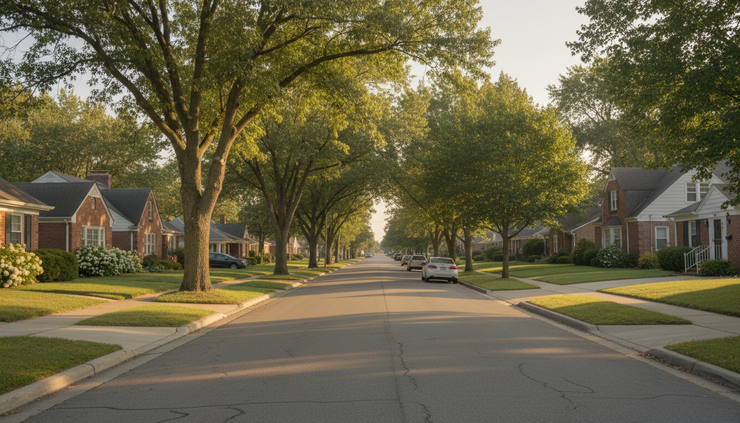
Start with the location before falling for the house
Location affects more than resale value. It affects sleep, commute time, errands, school routines, and weekend plans. A great kitchen will not fix a painful drive or a neighborhood that does not match daily needs.
Spend time in the area before writing an offer. Visit at different times.
Morning commute
After school hours
Early evening
Weekend afternoon
Notice traffic, noise, parking, lighting, and how people use the streets. Check where the grocery store, pharmacy, parks, restaurants, and major roads are. If public transit matters, test the route.
Also look at the area’s future. New roads, zoning changes, planned commercial centers, and nearby construction can change how a street feels. A home beside an empty field may not stay quiet forever.
One first-time buyer I worked with had a clear favorite after the first showing. The house was updated, bright, and priced well. Then they drove the commute on a Tuesday morning. It added more than 30 minutes each way. They passed. Two weeks later, they found a smaller home closer to work and family. A year later, they still said the location was the best choice they made.
The lesson is simple. Buy the life around the home, not just the rooms inside it.
Set a budget that protects your future
The purchase price is only one part of the cost. A smart budget includes the full monthly payment and the costs of owning the home.
Plan for:
Mortgage principal and interest
Property taxes
Homeowners insurance
Mortgage insurance, if required
HOA dues, if any
Utilities
Repairs and maintenance
Lawn care, snow removal, or other upkeep
Closing costs
Moving costs
Many buyers start with what a lender says they can borrow. That number matters, but it should not be the only guide. A lender looks at income, debt, credit, and loan rules. The buyer has to decide what payment still leaves room for groceries, savings, travel, childcare, hobbies, and emergencies.
A good test is to build a sample monthly budget before shopping. Use a payment estimate. Add realistic utility costs. Then live with that number for a month or two by moving the difference into savings. If the budget feels tight before the move, it will feel tighter after it.
This article is for general information only. Mortgage and financial choices should be reviewed with qualified professionals who can look at the full situation.

Know which amenities matter and which ones can wait
Amenities can make a home easier to love. They can also distract from the basics. Before touring, separate needs from wants.
Needs are tied to daily function. Wants are nice, but flexible.
Needs | Wants |
Safe monthly payment | Brand-new countertops |
Enough bedrooms | Finished basement |
Reasonable commute | Large deck |
Reliable internet | Luxury appliances |
Storage space | Designer lighting |
A home does not need to check every box. It needs to work. Paint, fixtures, landscaping, and some finishes can change over time. Lot size, layout, school boundaries, and traffic cannot change easily.
Think about the next five to seven years. A one-bedroom condo may work now, but not if remote work, caregiving, pets, or children are likely to be part of the plan. By contrast, buying too much house can strain the budget and add maintenance.
One couple chose a home with older cabinets because it had the right floor plan, good light, and a fenced yard for their dog. They updated the kitchen over time. They avoided a higher payment and got the features that affected daily life right away.
First-time homebuyers should prepare before touring
First-time buyers often feel pressure once they start seeing homes. Preparation lowers that pressure.
Start with mortgage basics. Learn the difference between common loan types, down payment options, fixed-rate loans, adjustable-rate loans, and estimated closing costs. Ask lenders how taxes, insurance, credit score, and loan terms affect the payment.
Get pre-approved before making serious plans. A pre-approval helps show the likely budget and makes an offer stronger. It also reveals issues early, such as credit errors or debt ratios that need attention.
Research neighborhoods with a simple checklist.
Drive the area more than once
Check commute routes
Review local school information if relevant
Look at nearby parks, stores, and services
Read HOA rules before offering
Ask about utility averages
Review property disclosures carefully
Do not skip the home inspection. Even a clean-looking home can have roof, plumbing, electrical, drainage, or foundation concerns. An inspection gives more information before final decisions are due.

Make the offer based on facts, not fear
A strong offer is not always the highest offer. Terms matter too. Price, financing, inspection timelines, appraisal terms, closing date, and earnest money all shape the deal.
Before offering, review comparable recent sales with an experienced agent. Look at homes that are similar in size, age, condition, location, and features. Asking price can be useful, but sold prices matter more.
Keep emotions in check. If a home is out of budget, let it go. A house that creates financial stress is not the right house.
If the offer is accepted, stay organized. Track deadlines. Respond quickly to lender requests. Read documents. Ask questions before signing. The process has many steps, but each one has a purpose.
For help sorting through location, budget, and offer strategy, contact a real estate professional who can guide the next step.
FAQ
How much should I save before buying a first home?
Save for the down payment, closing costs, moving costs, and an emergency fund. The exact amount depends on the loan type, home price, and local costs. A lender can give a clearer estimate.
Should I buy the best house I can afford?
Not always. Buy a home that fits the budget and leaves room for normal life. The maximum approval amount may be higher than a comfortable payment.
How do I know if a neighborhood is right?
Visit more than once. Drive the commute. Check nearby services. Listen for noise. Look at parking, lighting, sidewalks, and how the area feels at different times of day.
What should I not compromise on?
Be careful about compromising on location, monthly payment, major structural issues, and layout problems that are expensive to fix. Cosmetic items are easier to change.

The right home is not only the one that looks good online. It fits the budget. It supports daily routines. It has the right location and enough of the right amenities. Start with facts, move at a steady pace, and choose the home that makes life work better.

Comments